
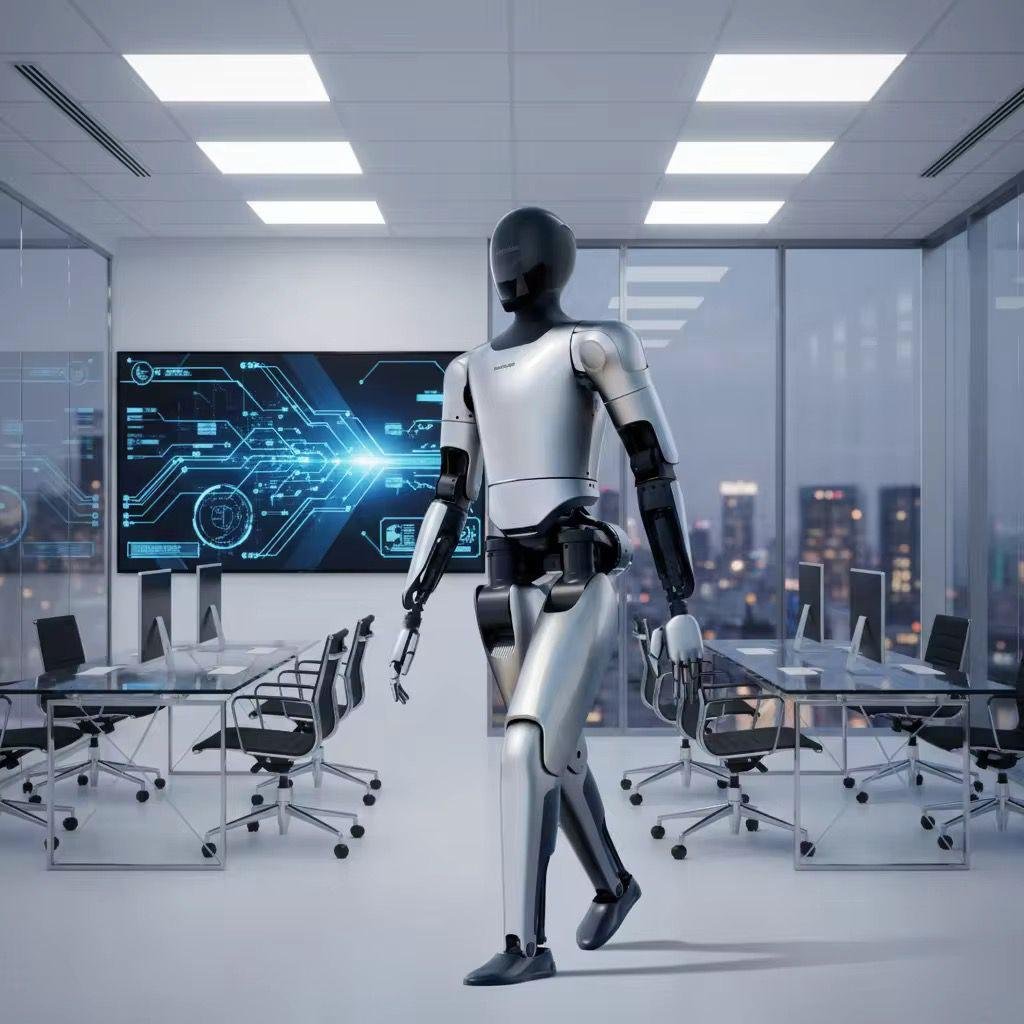
Price: $498716
Although educational robots and entertainment robots may overlap in morphology, there are essential differences in the original design intention, core function and main use. Simply put, educational robots focus on “learning” and are tools; entertainment robots focus on “fun” and are companions or toys.
The specific differences between the two are as follows:
I. Educational robot
The core goal is to impart knowledge and cultivate thinking (such as programming, logic, STEM literacy).
· Core functions:
· Programming learning: from graphical programming such as Scratch to code programming such as Python and C++, understand the algorithm structure by controlling the robot action.
· Discipline integration: The construction process involves physical structure mechanics, and the application of sensors involves mathematical logic, which is often used as a carrier of STEM education.
· Competition and evaluation: usually cooperate with robot competitions (such as VEX, FLL, etc.) to test the learning results through confrontation or task completion.
· High-order computing thinking: in university or industrial-grade products, as a physical verification platform for artificial intelligence, autonomous driving and other algorithms.
· Typical uses:
· Classroom teaching: It is used for information technology courses or off-campus training in primary and secondary schools to lower the entry threshold through physical programming.
· Scientific research practice: University laboratories are used to study multi-machine collaboration, machine vision and other topics.
· Family enlightenment: Parents use it to cultivate their children’s logical thinking and problem-solving ability.
II. Entertainment robots
The core goal is to provide emotional experience, emotional value or leisure pastime, and emphasize the fun and anthropomorphic sense of interaction.
· Core functions:
· Emotional interaction: through voice recognition, facial expressions and touch feedback, simulate the sense of companionship of pets or partners, such as Sony’s robot dog aibo.
· Content playback and performance: used for singing, dancing, playing stories, or acting as an interactive speaker.
· Remote presence: Through the screen and mobile ability, users can remotely control “appear” in a certain place, mainly for socializing.
· Battle and competition: such as fighting robots, remote-controlled racing cars, etc., to satisfy users’ entertainment and collection desires.
· Typical uses:
· Family companionship: relieve loneliness, act as a playmate for children or a companion for the elderly.
· Commercial diversion: dance and guide in shopping malls and exhibitions to attract passengers.
· Personal hobbies: high-priced technology toys or collectibles for adults.
III. The integration and difference between the two
Nowadays, the boundary between the two is getting more and more blurred. For example, Lego SPIKE is not only a building toy (entertaining) but also an authoritative educational equipment; many child companion robots also have built-in educational functions such as literacy and reading.
The core difference between them is the result evaluation:
· Educational robots: usually have clear learning paths and assessment standards (such as what grammar is learned and what prizes are won in the competition).
· Entertainment robot: the core lies in the “happiness” or “decompression” of the user’s subjective experience, and there are no hard indicators that must be achieved.
17.Educational robot, basic model of entertainment robot





Reviews
There are no reviews yet.